
October 19, 2026
MoleMap Team
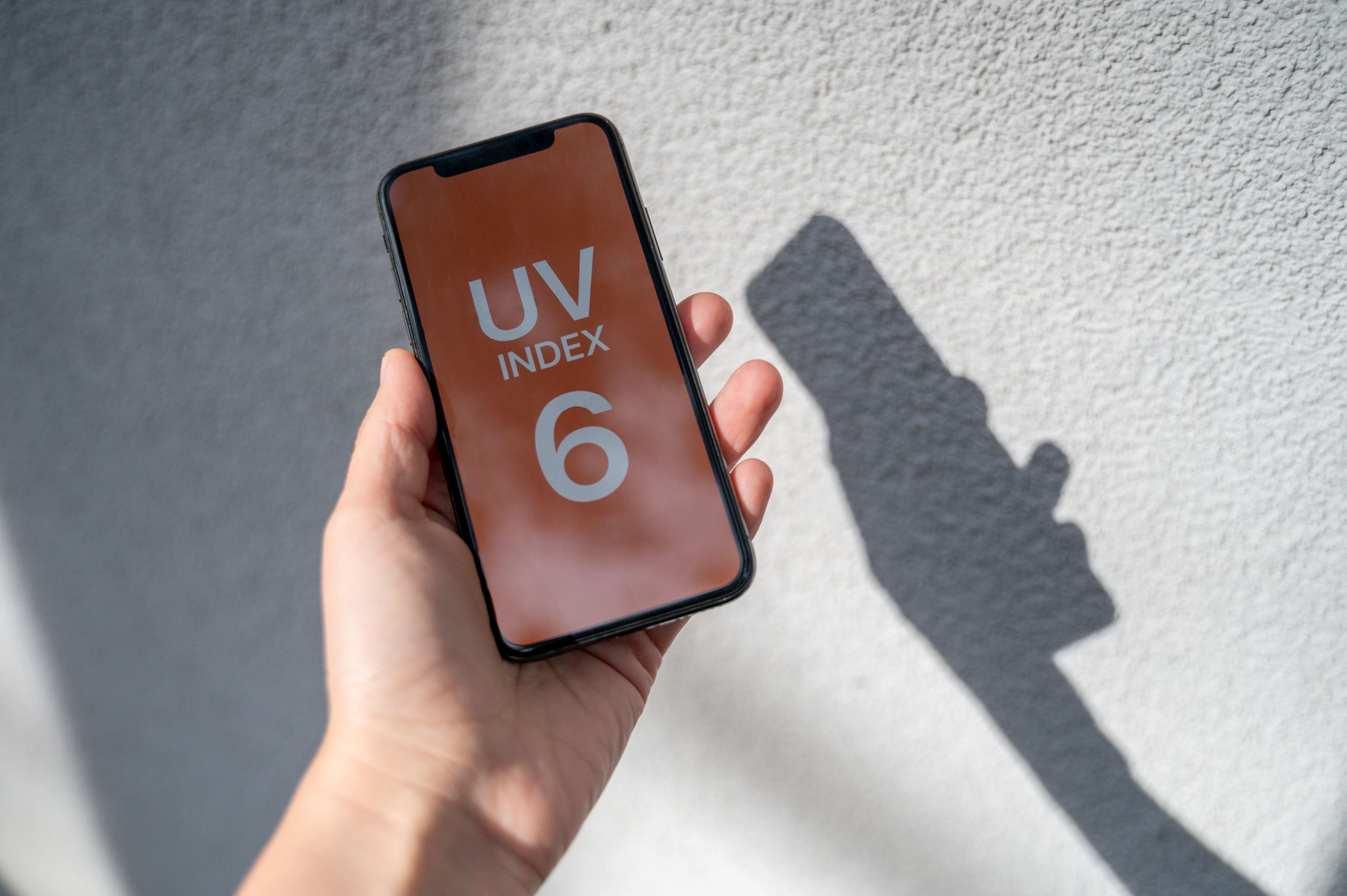
We often associate sun damage with hot, sunny days. But it isn’t the temperature or brightness that damages our skin, it’s ultraviolet radiation, better known as UV.
UV is invisible, which means you can’t see or feel it. It can be present on cool and cloudy days, making the daily UV level a much better guide to sun protection than the weather forecast.
The sun produces different forms of energy. Visible light is what we see as sunlight, infrared radiation is what we feel as heat, and ultraviolet radiation is an invisible form of energy that can affect our skin and eyes.
There are three types of UV radiation:
Both UVA and UVB reach the Earth’s surface and can damage skin cells. Over time, this damage can build up and increase the risk of skin cancer. A tan and sunburn are both signs that UV damage has already occurred.
Our skin cells contain DNA, the instructions that tell each cell how to function. When UV radiation reaches the skin, it can damage this DNA.
The body can repair some of this damage, but repeated or intense UV exposure can overwhelm the repair process. Damaged cells may then begin to grow abnormally, which can lead to skin cancer.
This damage is cumulative, meaning it adds up over time. It’s not only severe sunburn that matters; everyday exposure while walking, gardening, playing sport or driving can also contribute to your lifetime UV exposure.
The UV Index is a simple scale that tells you how strong UV radiation is expected to be at a particular place and time. The higher the number, the more quickly unprotected skin can be damaged.
UV levels are grouped as:
When the UV Index reaches 3 or above, sun protection is recommended. In Australia and New Zealand, this can happen during much of the year—not just in summer.
You can check the daily UV Index using a trusted weather service or sun protection app.
Yes. UV radiation and temperature are not the same thing.
A cool breeze may make the day feel mild, while UV levels remain high enough to damage your skin. UV can also pass through cloud cover, so an overcast sky doesn’t necessarily mean you are protected.
UV levels are influenced by factors including the time of day, season, location, altitude, cloud cover and reflective surfaces such as water, sand and snow.
The simple rule? Check the UV, not just the weather.
When the UV Index is 3 or above, use a combination of sun protection measures:
Sunscreen should be applied generously before going outdoors and reapplied at least every two hours, as well as after swimming, sweating or towel drying. Remember that no sunscreen blocks 100% of UV, so it works best alongside clothing, shade, a hat and sunglasses.



Southern Cross Affiliated Provider for eligible treatment services at select clinics