
September 29, 2026
MoleMap Team
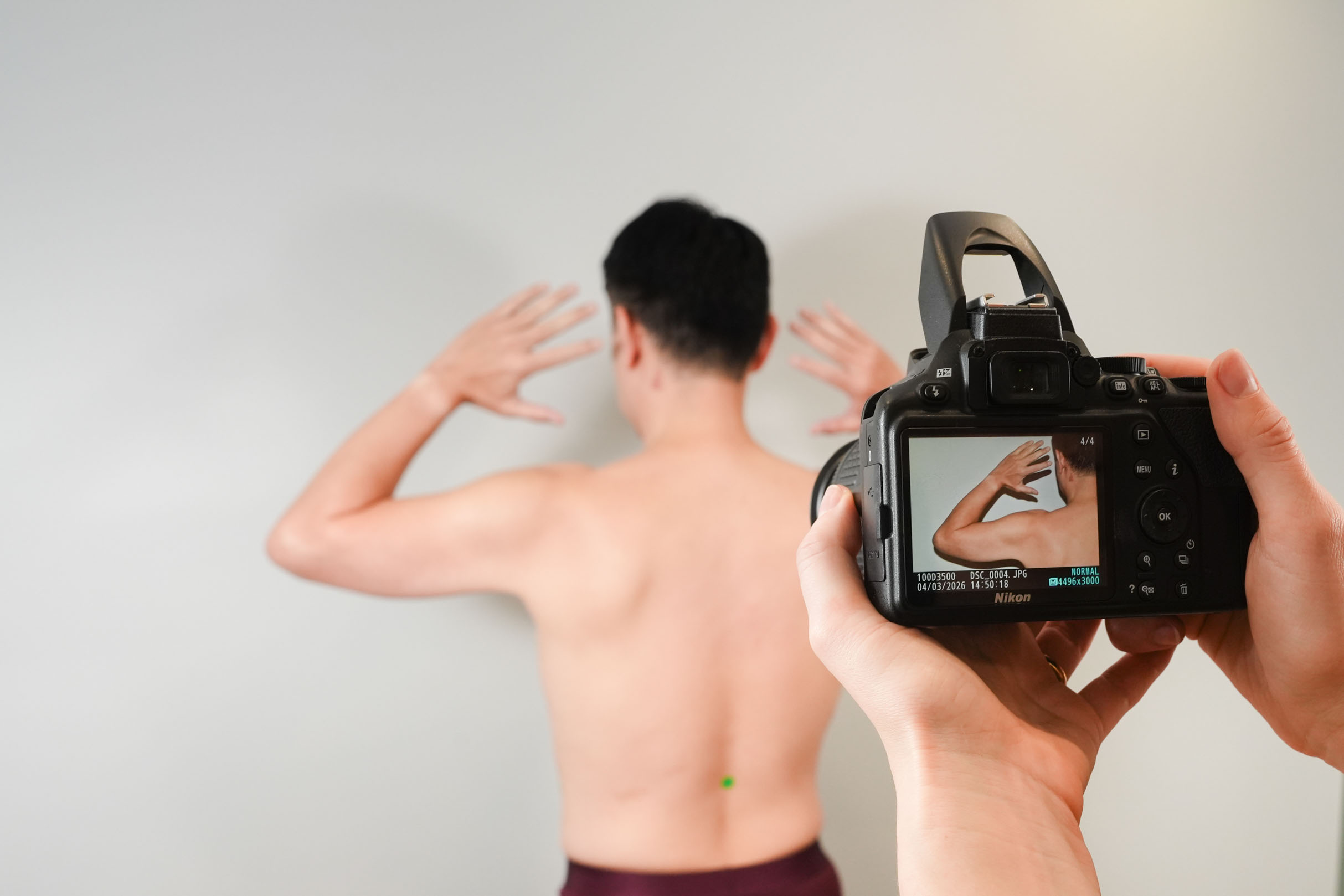
A quick look at a spot can provide useful information. But when it comes to monitoring your skin over time, having a photographic record of your skin can offer an additional level of detail and reassurance.
At MoleMap, Full Body MoleMap combines a thorough head-to-toe skin check with full-body photography and dermoscopic imaging of selected lesions. This creates a baseline that can be reviewed at future appointments, helping our team identify new or changing spots that may be difficult to recognise from memory alone.
The evidence shows that photographic records can be a valuable part of skin surveillance to support the early detection and monitoring of melanoma, particularly for people at higher risk.
A 2021 systematic review published in the International Journal of Environmental Research and Public Health found that total-body photography may assist with the early detection of melanoma and can help clinicians identify changes over time. The review also highlighted the importance of using total-body photography as part of a broader surveillance process, alongside clinical examination and dermoscopic imaging. pmc.ncbi.nlm.nih.gov
Research published in the Journal of Primary Health Care also reported that digital monitoring using whole-body photography and sequential digital dermoscopy detected thinner melanomas in a high-risk patient group. JAMA Network
Many doctors refer patients to MoleMap when they would benefit from a detailed photographic record of their skin. This may include people with multiple moles, a personal or family history of melanoma, previous skin cancers or difficulty monitoring their skin themselves.
A photographic baseline can support future comparisons and give healthcare professionals more information to consider alongside the patient’s history and clinical assessment.
If a lesion is identified as suspicious, new, changing or different from the surrounding spots, it may be imaged and sent to an offsite dermatologist for review.
The dermatologist assesses the clinical and dermoscopic images and provides a diagnosis or recommendation. Within five to seven business days, patients receive a report outlining the dermatologist’s findings and any recommended next steps.
This combination of an in-person assessment by a trained melanographer, detailed imaging and dermatologist review provides several layers of expertise within the MoleMap process.
Photographic records can, in some cases, support a decision to continue monitoring rather than proceeding directly to a biopsy or excision. Some lesions may be re-imaged sooner than others to check for any short-term changes.
By combining a head-to-toe check, trained melanographers, full-body photography, dermoscopic imaging and dermatologist review of suspicious lesions, MoleMap helps create a clearer picture of your skin today - and how it may change over time.
Hornung A, Steeb T, Wessely A, et al. The value of total body photography for the early detection of melanoma: a systematic review. International Journal of Environmental Research and Public Health. 2021;18(4):1726. DOI: 10.3390/ijerph18041726.
Rademaker M, Oakley A. Digital monitoring by whole body photography and sequential digital dermoscopy detects thinner melanomas. Journal of Primary Health Care. 2010;2(4):268–272. DOI: 10.1071/HC10268.



Southern Cross Affiliated Provider for eligible treatment services at select clinics